
Demand-Side Compressed Air Audits
Understand How Compressed Air Is Used Throughout Your Facility
A demand-side compressed air audit evaluates the applications, processes and operating practices that determine how compressed air your facility is consumed.
N2O2 helps identify where demand may be higher than necessary, and which modifications could reduce consumption and increase the performance of critical equipment.
When Should You Consider a Demand-Side Audit?
A demand-side audit may be appropriate when your facility is:
- More compressors on-line than in the past without a corresponding increase in production
- Experiencing low pressure during certain shifts or processes
- Increasing system pressure to support one area of the plant
- High compressor demand even during breaks, weekends or other non-production periods
- Using compressed air for blow-off, cooling, cleaning or other high-demand applications
- Considering additional compressor capacity
- Unsure which processes consume the most compressed air
- Trying to reduce energy costs without affecting production
The audit helps determine whether demand can be reduced, controlled, or supplied more efficiently before additional compressor equipment is added.
What Does a Demand-Side Audit Evaluate?
N2O2 examines how compressed air is used throughout the facility and how individual applications affect total system demand.
The evaluation may include:
- Production equipment and pneumatic applications
- Compressed air use by department or process
- Required pressure at critical applications
- High-demand and intermittent air uses
- Air consumption during production and non-production periods
- Blow-off, cleaning, cooling and open-pipe applications
- Pressure regulators and point-of-use controls
- Artificial demand caused by excessive system pressure
- Inappropriate uses that may be served more efficiently another way
- Changes in demand across shifts and operating conditions
This facility-wide view helps separate necessary production demand from avoidable consumption.
What Can a Demand-Side Audit Identify?
The audit may uncover:
- Processes using more compressed air than necessary
- Applications operating above their required pressure
- Large or intermittent demands affecting system stability
- Air use that continues when production equipment is idle
- Inappropriate applications for compressed air
- Departments or processes contributing to peak demand
- Opportunities to isolate or control specific uses
- Demand that may be reduced before purchasing another compressor
- Operating practices that increase energy use or pressure requirements
The goal is not simply to reduce airflow. It is to align compressed air use with actual production requirements.
How Does Artificial Demand Affect the Compressed Air System?
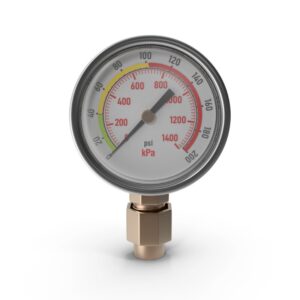
Artificial demand is the additional airflow consumed when equipment, leaks and unregulated applications operate at a higher pressure than necessary.
Increasing system pressure to support one production issue can raise air consumption throughout the rest of the facility. It can also increase compressor power requirements without addressing the underlying problem.
A demand-side audit helps determine where pressure should be controlled more precisely and whether individual applications are driving plantwide pressure settings.
How Can the Findings Support Your Facility?
The findings can help your facility:
- Reduce unnecessary compressed air consumption
- Improve pressure availability for critical applications
- Lower compressor power requirements
- Recover capacity within the existing system
- Reduce artificial demand
- Control high-demand production events
- Make informed decisions about additional compressor capacity
- Improve the relationship between compressed air use and production output
- Prioritize demand-reduction projects by cost and operational impact
What Do You Receive?
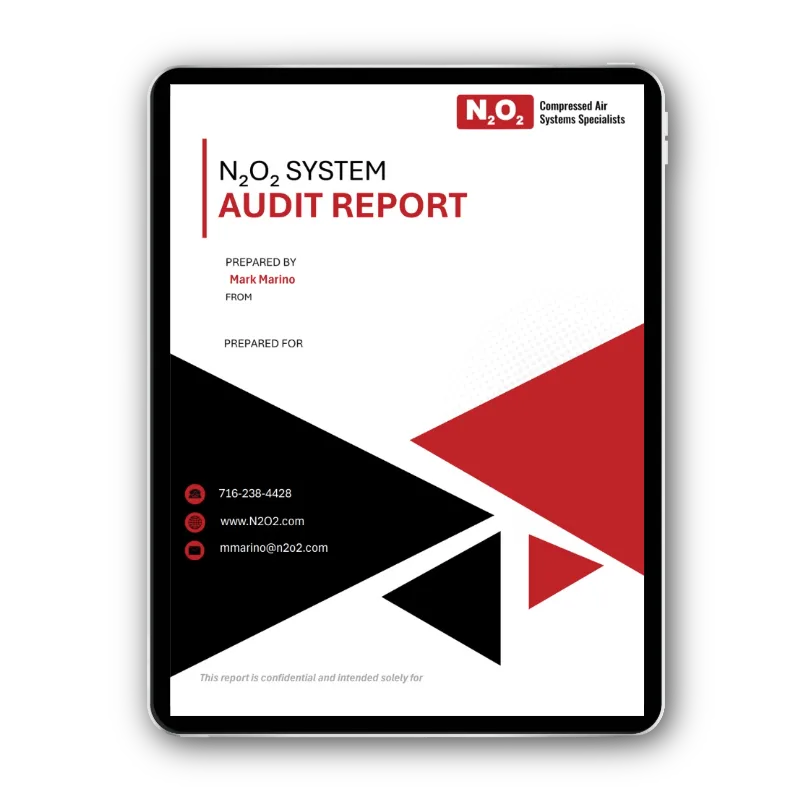
Your report explains how compressed air is being used and which changes may provide the greatest operational and financial benefit.
Depending on the scope, the report may include:
- An executive summary of objectives and key findings
- A breakdown of compressed air use and associated operating cost
- Detailed findings by process, area or application
- Air-demand data, graphs and calculations
- Identified artificial demand and avoidable consumption
- Recommendations for pressure control or application changes
- Current operating costs compared with proposed costs
- Recommendations prioritized by implementation timing
- Estimated equipment and installation costs
- Total estimated annual cost savings
Recommendations are organized to help your team distinguish immediate opportunities from improvements that can be planned into future budgets or shutdowns.
Understand What Is Driving Your Facility’s Air Demand
Request a demand-side compressed air audit to identify unnecessary consumption, pressure-related waste and opportunities to recover system capacity.
Demand-Side Air Audit FAQs
Higher pressure can increase the amount of air consumed by equipment, leaks and unregulated applications. It can also increase the power required by the compressors. The audit helps determine where pressure is higher than the application requires.
Yes. Recommendations can be prioritized according to technical need, estimated cost, financial impact and implementation timing.
Leaks contribute to total demand, but a complete ultrasonic leak study is a separate service. A demand-side audit may indicate that leakage is affecting system consumption, while a leak audit identifies and documents individual leak locations.